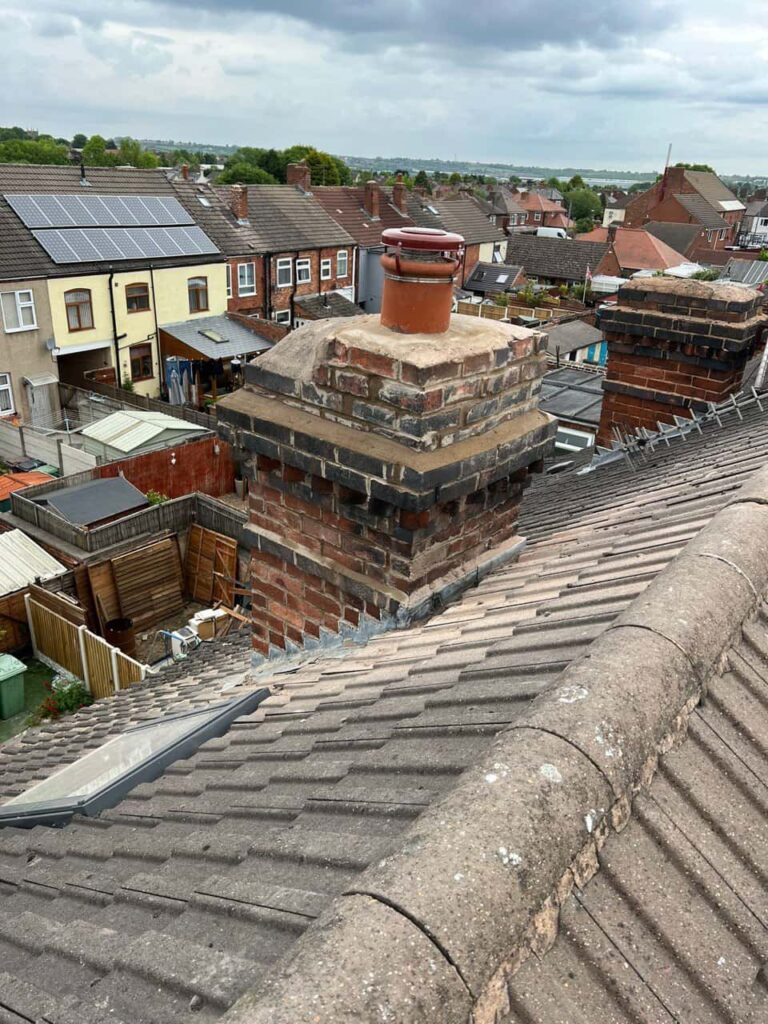
Roof damage can sometimes occur without warning, leaving homeowners dealing with leaks, missing tiles or exposed areas that need prompt attention. Understanding the common causes of emergency roof damage can help you recognise problems early and know when professional roofing assistance is needed.
For properties in Selby, North Yorkshire, changing weather conditions can put additional pressure on roofs. Strong winds, heavy rainfall and general wear can all contribute to sudden roofing problems, particularly when the roof already has an underlying weakness.
What Causes Emergency Roof Damage?
Emergency roof damage is often the result of a sudden event exposing an existing weakness in the roofing system. In other cases, deterioration may reach a point where the roof can no longer effectively protect the property.
The most common causes include severe weather, damaged roof tiles, failing flashing, blocked drainage and problems that have been left unrepaired.
Strong Winds and Storm Damage
Strong winds can place considerable strain on roof coverings. Loose or deteriorated tiles may become displaced, while ridge tiles and other exposed components can also be affected.
Once part of the roof covering has been disturbed, rainwater may be able to enter areas that would normally remain protected. Missing or displaced tiles should therefore be checked promptly, particularly if they have left an exposed section of the roof.
Heavy Rain and Water Ingress
Heavy rainfall can quickly reveal weaknesses that were not obvious during normal weather. Damaged tiles, gaps around flashing and deteriorated roof joints can allow water to penetrate beneath the roof covering.
A leak may initially appear as a damp patch or water mark on a ceiling, but the actual point of entry can be elsewhere. Water can travel along roofing materials and timbers before becoming visible inside the property.
Cracked, Broken or Displaced Tiles
Roof tiles can become damaged through age, weather exposure or impact. Even a single cracked or displaced tile can create an opening for water to enter.
If damaged tiles are noticed from ground level or a leak develops following bad weather, arranging a professional inspection can help establish whether the affected area requires repair or whether there are additional problems elsewhere on the roof.
Damaged Roof Flashing
Flashing protects vulnerable areas where different parts of the roof meet, including around roof junctions and other points where water could penetrate.
Over time, flashing can become loose, cracked or deteriorated. Heavy rain can then expose these weaknesses, resulting in water ingress. Leaks around the upper parts of walls or ceilings can sometimes be linked to failing flashing rather than the main roof covering.
Blocked or Damaged Guttering
Guttering plays an important role in directing rainwater away from the roof and building. When gutters become blocked or damaged, water may overflow and collect against parts of the roof or external walls.
During heavy rainfall, a drainage problem can become particularly noticeable. Overflowing gutters should not be ignored, as repeated exposure to excess water can contribute to further deterioration.
Existing Roof Problems Becoming Worse
Not every roofing emergency starts with a sudden event. Small defects that have been ignored can gradually become more serious until they result in visible water damage or another urgent problem.
Missing mortar, deteriorating tiles, damaged flashing and other minor defects can all worsen over time. Regular checks and prompt repairs can help prevent a small issue from becoming a more disruptive roofing problem.
What Should You Do If Your Roof Is Damaged?
If your roof has suffered sudden damage, avoid attempting repairs from the roof itself. Loose tiles, wet surfaces and exposed sections can make working at height particularly hazardous.
Instead, check for visible signs such as missing tiles, water entering the property, damp patches or damaged guttering. A professional roofer can assess the condition of the roof and identify the source of the problem before recommending suitable repairs.
Conclusion
Emergency roof damage can be caused by strong winds, heavy rainfall, damaged tiles, failing flashing, drainage problems or existing defects that have gradually worsened. Acting promptly when these warning signs appear can help prevent further deterioration.
If your property in Selby, North Yorkshire has suffered unexpected roof damage, TRP Roofing Selby can assess the problem and advise on the appropriate repairs. Contact us to arrange a professional roof inspection.
Call us on: 01757 600 379
Click here to find out more about TRP Roofing Selby
Click here to complete our contact form and see how we can help with your roofing needs.